How Residential Drain Cleaning Can Prevent Mold and Moisture Issues
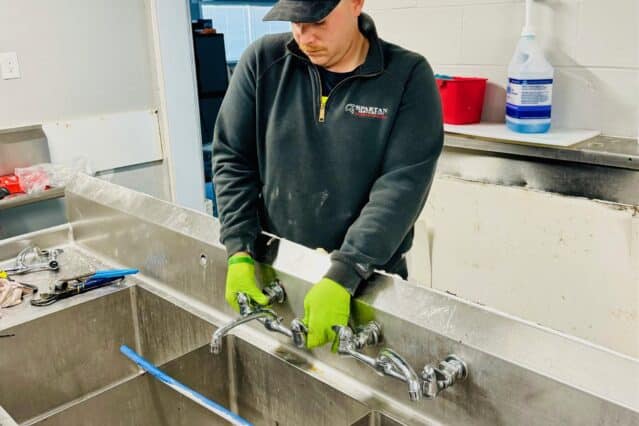
Moisture problems rarely begin with a dramatic leak. More often, they build quietly behind a cabinet, under a tub, or inside a wall cavity where a slow drain has been ignored for months. By the time a homeowner notices a musty odor or a dark patch spreading along the baseboard, the original cause can feel disconnected from the damage. In many homes, that cause is surprisingly ordinary: a drain line that has been narrowing, clogging, backing up, or venting poorly for far longer than anyone realized.
Residential Drain Cleaning is usually seen as a plumbing maintenance task, something you call for when water stops moving. That view is too narrow. Clean, properly flowing drains do more than keep sinks and tubs usable. They reduce standing water, lower indoor humidity at key trouble spots, prevent hidden seepage, and limit the organic buildup that helps mold gain a foothold. In homes where bathrooms lack perfect ventilation, kitchens see daily grease and food waste, and laundry rooms already carry a moisture load, the condition of the drainage system matters more than many people think.
After enough years around residential plumbing, one pattern becomes hard to ignore. Mold investigations often lead back to drainage issues that looked minor at first. A shower pan that emptied slowly. A kitchen sink trap that wept a little each time the disposer ran. A basement floor drain that held stagnant water and organic sludge. None of these sound urgent on day one. Six months later, they can support exactly the kind of damp, enclosed environment mold needs.
The hidden path from a dirty drain to a mold problem
Mold needs moisture, time, and a food source. Most homes supply the food source automatically through dust, wood fibers, paper backing on drywall, and soap scum residue. Time takes care of itself when the affected area is inside a wall, below a vanity, or under flooring. Moisture is the variable that homeowners have the best chance of controlling, and that is where drain maintenance matters.
A partially blocked drain changes how water behaves. Instead of moving away quickly, water lingers in fixtures, overflows from weak points, or finds escape routes at seals and joints that were never meant to hold pressure for long. In a bathroom, that can mean water backing up around a tub shoe gasket or seeping around old caulk because the tub stays full longer after every shower. In a kitchen, greasy buildup can slow drainage enough that the sink gets used like a holding basin several times a day. That repeated standing water raises local humidity and increases the chance of leaks from slip joints, basket strainers, or old trap assemblies.
The problem gets worse when debris inside the drain line begins to decompose. Hair, soap residue, toothpaste, food particles, and grease form a sticky layer that not only slows water but also traps moisture against pipe walls. If the drain is connected to a poorly ventilated area, the result can be persistent dampness and odors that signal microbial growth long before visible mold appears on nearby surfaces.
One homeowner I worked with thought she had a ventilation issue in a second floor bathroom because the mirror stayed fogged for an hour after showers. The fan was fine. The real issue was a tub drain nearly half restricted by hair and soap buildup. Water sat in the tub longer, family members splashed more while waiting for it to clear, and the overflow gasket had started leaking behind the wall. By the time the drywall softened near the baseboard, the mold had already spread inside the cavity. The fix involved not just mold cleanup, but drain cleaning, gasket replacement, drywall removal, and repainting. A routine service call would have cost a fraction of that.
Why slow drains create more moisture than most homeowners realize
People tend to think of moisture problems in terms of gallons, not habits. They imagine a burst pipe, not a teaspoon of water escaping every day. But building damage often comes from repetition rather than volume.
A sink that drains slowly encourages behaviors that add moisture to the room. People rinse longer. They leave water pooled in the basin. They nudge the stopper assembly, splash the counter, and overfill the fixture because they know drainage is sluggish. If the cabinet below already has a loose connection or a fatigued washer, those extra minutes of water exposure increase the odds of seepage.
Showers present an even clearer example. When the drain is restricted, water level rises around the feet, bringing hair, soap, and body oils into more contact with the edges of the drain assembly. If the tile grout or shower pan has weak spots, prolonged pooling gives water time to penetrate. A healthy drain clears continuously, so water heads where it is supposed to go. A compromised drain turns the whole floor area into a wetter environment.
Laundry drains are another common source of hidden moisture. A washer discharge line can move a lot of water quickly. If the standpipe or branch drain is partially blocked with lint, detergent residue, or scale, it may not overflow every cycle. It might only surge occasionally, wetting the wall behind the machine or the floor underneath just enough to feed mold. Because the laundry area is often cramped, those small overflows can go unnoticed until the smell becomes obvious or the flooring starts to swell.
The rooms where drain neglect does the most damage
Bathrooms top the list, not because they always have the worst plumbing, but because they combine daily water use with enclosed spaces and plenty of organic residue. A slow bathroom sink can encourage cabinet dampness. A shower drain can turn tile and grout into long term moisture reservoirs. A clogged toilet branch line can push contaminated water onto flooring, around the wax ring, or into adjacent trim.
Kitchens have their own set of problems. Grease and food solids are relentless. Even households that avoid pouring bacon fat down the sink still send oils, starches, coffee grounds, and detergent residue into the line. Over time, those materials tighten the interior diameter of the pipe. When drainage slows, small leaks around the disposal, dishwasher tailpiece, or trap become much more likely to show up. And when they do, the cabinet base under the sink, usually made of particleboard or plywood, absorbs water readily and dries poorly.
Basements deserve special attention because they are already moisture sensitive. Floor drains can collect silt, dust, pet hair, mop water residue, and sometimes backflow from heavy rain events. A neglected basement drain can produce stagnant odors and local humidity, especially if the trap seal evaporates or organic matter accumulates. In finished basements, where drywall, carpet, and framing are close to the slab, that extra moisture can support mold quickly.
Drain cleaning does more than remove clogs
A lot of homeowners hear “drain cleaning” and picture an emergency auger run through a line that is already blocked solid. Proper Residential Drain Cleaning is broader than that. It can mean removing grease buildup before backups occur, clearing soap and hair from bathroom drains, flushing residue from branch lines, and confirming that water is moving at the right pace all the way to the main line.
That preventive approach matters because mold prevention is less about dramatic interventions and more about controlling conditions consistently. Clean drains help in several ways:
- They reduce standing water in fixtures and nearby surfaces.
- They lower the chance of backups that soak cabinets, subfloors, or wall cavities.
- They expose minor leaks sooner because water is no longer being masked by constant slow drainage.
- They remove organic sludge that can hold moisture and contribute to odors.
- They keep high use rooms functioning in a way that supports normal drying.
The fourth point is often overlooked. The sludge inside a neglected drain is not mold growing on the room surface, but it does create a damp, nutrient rich environment that contributes to unpleasant smells and moisture retention. When homeowners say a bathroom “always smells damp” even after cleaning the floor and shower, the drain is often part of the story.
Early warning signs that point to both drainage and moisture trouble
Drain related moisture issues usually announce themselves in small ways before they become expensive. Homeowners who catch them early can often solve the plumbing side before mold remediation enters the picture.
Here are some signs worth taking seriously:
- A musty smell that returns shortly after cleaning
- Water stains or swelling inside the sink cabinet
- Bubbling paint, soft baseboards, or curling vinyl near wet rooms
- Drains that gurgle, drain slowly, or back up intermittently
- Persistent dampness around a tub, shower, or laundry area
None of these signs guarantees mold, but together they tell a consistent story. Something is staying wet longer than it should.
I have seen homeowners scrub mildew from caulk again and again without noticing that the real issue was a drain line slowing enough to keep the shower floor wet for hours. Surface cleaning helped for a week, then the discoloration came back. Once the line was cleaned and the moisture load dropped, the bathroom became much easier to keep dry.
Why DIY drain fixes sometimes make moisture problems worse
There is nothing wrong with basic homeowner maintenance. Pulling hair from a stopper, cleaning a pop up assembly, or clearing a simple trap blockage can be perfectly reasonable. The problem begins when repeated DIY attempts treat the symptom while the line continues to deteriorate.
Chemical drain cleaners are a good example. They can sometimes cut through organic matter near the opening, but they often leave the deeper buildup untouched. If the product sits in the line because the drain is already slow, it may also stress older pipes, rubber seals, or glued joints. I have opened cabinets where the homeowner believed the clog was gone, only to find that the trap or slip joint had started leaking after repeated chemical treatments and plunging. The moisture damage under the sink ended up costing more than a proper cleaning would have.
Aggressive plunging can create trouble too. A kitchen sink with an aging basket strainer or a bathroom drain with compromised seals may not appreciate repeated force. The clog may shift, but pressure can expose weaknesses in the system. If water begins escaping inside the cabinet or https://penzu.com/p/464c0ba20f115dd1 wall, the homeowner may not know it immediately.
Then there is the false sense of security that comes from partial improvement. A tub that drains in five minutes instead of ten still has a problem. If the branch line remains coated with hair and soap, the restriction will return quickly. Meanwhile, the same wet conditions persist around the fixture.
Professional cleaning, inspection, and judgment
The value of professional drain service is not just equipment. It is judgment. A trained technician can often tell the difference between a simple local blockage and a symptom of a larger issue, such as a sagging line, venting problem, deteriorated cast iron, root intrusion, or repeated grease accumulation from poor kitchen habits.
In practical terms, that means the service call can address both immediate flow and long term moisture risk. If a bathroom sink keeps clogging every few months, the conversation should include whether the trap geometry is wrong, whether the stopper is collecting too much hair and paste, and whether small leaks are developing around the tailpiece. If a basement drain smells foul and stays sluggish, the right response may involve cleaning, checking trap seal condition, and evaluating how often the area gets wet.
Some drain situations warrant camera inspection, especially if backups recur or the home is older. A line that looks “mostly open” from the fixture can still have heavy scale, rough interior surfaces, or partial collapse farther downstream. Those conditions increase the chance of future standing water and hidden moisture events.
The cost trade-off is usually clear
Homeowners sometimes postpone drain cleaning because the drain still “works.” That hesitation is understandable. Nobody wants to spend money on maintenance if the problem feels manageable. But moisture damage has a way of multiplying costs across trades.
A routine drain cleaning may involve a modest service fee. A moisture issue can lead to plumbing repair, cabinet replacement, drywall work, flooring repair, painting, odor treatment, and in some cases mold remediation. If the damage occurs in a bathroom wall or finished basement, the bill climbs quickly.
Even when mold is minor, cleanup is disruptive. Contents have to be moved, materials cut out, and the area dried properly. Families often spend weeks dealing with a problem that began as a slow drain they learned to live with. From a building maintenance perspective, prevention is not just cheaper, it is cleaner and less intrusive.
How often should drains be cleaned?
There is no universal schedule because homes vary too much. A household with long hair, multiple children, an active kitchen, and an older plumbing system will usually need more attention than a lightly used guest bath in a newer home. That said, many homes benefit from some level of preventive drain service every year or two, especially in kitchens and primary bathrooms.
The better approach is to base timing on use patterns and warning signs. If a tub starts draining a little slower each month, do not wait for a full backup. If the kitchen sink gets sluggish after holiday cooking or frequent disposal use, address it before the cabinet stays damp. If the laundry standpipe has ever overflowed, even once, that is a good reason to inspect and clean the line rather than hoping it was a fluke.
Older homes deserve extra caution. Galvanized steel and aging cast iron can develop interior roughness that catches debris and slows flow. In those systems, recurring clogs are often a sign of pipe condition, not just household habits.
Practical steps homeowners can take between professional cleanings
Professional service matters, but day to day habits also affect moisture risk. Good drain care is not complicated. It is mostly about reducing what enters the line and noticing changes early.
Use strainers where they make sense, especially in showers and bathroom sinks. Avoid sending grease, fibrous food scraps, and coffee grounds down the kitchen drain. Check under sinks with a flashlight once in a while, particularly after running a full basin of water. Pay attention to odors that seem strongest near drains or inside cabinets. If a bathroom floor stays wet long after use, do not assume it is only a ventilation issue.
One of the simplest habits I recommend is this: after using a fixture, listen and look for how it finishes draining. Fast, quiet drainage is normal. Gurgling, bubbling, or a lingering pool of water means the system is asking for attention.
Moisture control is a systems issue
Mold prevention is often discussed in separate categories. Fix leaks. Run exhaust fans. Lower humidity. Clean surfaces. All of that is correct, but homes do not operate in separate categories. Drainage, ventilation, waterproofing, and daily use habits all interact.
That is why Residential Drain Cleaning deserves a place in any serious moisture prevention plan. A clean drain supports faster drying, fewer hidden leaks, better sanitation, and more predictable plumbing performance. It removes one of the quietest but most persistent sources of chronic dampness in a home.
When a house has ongoing moisture issues, I rarely look at any one component in isolation. I want to know how long water stands in the shower, whether the bathroom vanity has signs of seepage, how the kitchen sink behaves during heavy use, and whether the basement drain smells stale after rain. Those details matter because mold does not care whether moisture came from a roof leak, a sweating duct, or a drain line that has been half clogged for a year. If materials stay damp, it will take advantage.
A home does not need a major plumbing emergency to develop a mold problem. It only needs enough recurring moisture, in the wrong place, for long enough. Keeping drains clean is one of the most practical ways to interrupt that cycle before it becomes expensive, disruptive, and far more difficult to fix.
Spartan Plumbing Services
Address: 760 107th St S, Tacoma, WA 98444
Phone number: +12534998773
FAQ About Residential Drain Cleaning
How much does it cost to have someone clean your drains?
Professional drain cleaning costs between $147 and $352 on average, with most homeowners paying around $246. The final price is heavily determined by the type of drain affected, the clearing method needed, and your geographic location.
How much does it cost to clean a drain line?
Professional drain cleaning costs between $147 and $352 on average, with most standard residential jobs landing right around $246. However, your final bill can scale from $100 to over $800 depending entirely on which drain is clogged and the method required to clear it.
Is professional drain cleaning worth it?
Yes, professional drain cleaning is worth it because it clears deep buildup and prevents expensive plumbing emergencies.